
- History of Stanford Farm
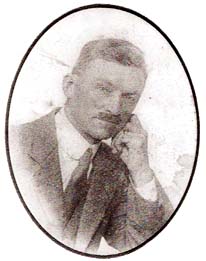
The headlines of two 1941 Limpopo Province newspaper reports read “Big-Game Hunter Drowned in a dam” and TRAGIC ACCIDENT AT “STANFORD’S LAKE”. Seventy-year old Harley Daly Maurice Stanford died in his own lake on the 8th of January 1941. He built it because he loved fishing. He died in it because he loved fishing.
Harley was born in France on the 2nd of July 1871. He came to the Cape as a child but was educated at Dulwich College near London. He was a tax collector in the Pilansberg area and then Haenertsburg from 1911-1924. His nickname, Intabalen, meant “the one to be looked up to” because he was usually on horseback. He was also one of the first people to own a Buick.
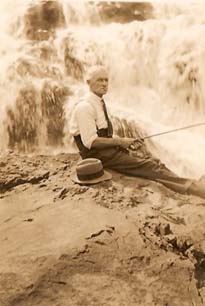 Harley fishing at the waterfall
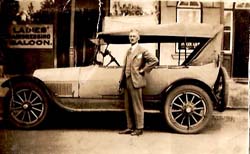 Harley and his Buick
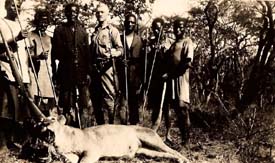 Harley on a hunting exhibition
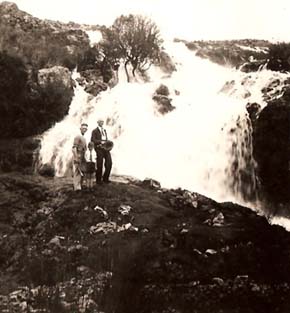 Harley, son and friend at waterfall
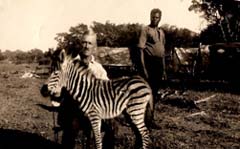 Harley with a Zebra in the bush
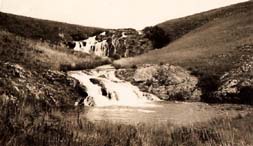 Waterfall below the lake
- He retired to his farm Good Hope and gave up his other passion, big-game hunting. He built the dam fed by a stream from the Broederstroom during the Depression. He used donkeys, picks, spades and white labour. He’d told the Department of Irrigation that he was saving the country water. He was, in fact, building it for fishing.
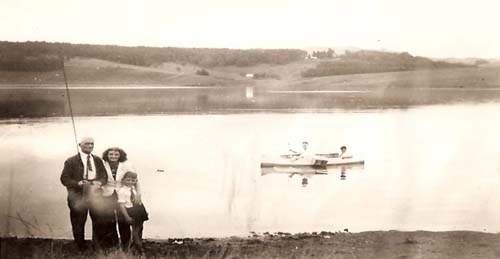
- Harley with Dicky Dagge's(Owner of the Magoebaskloof Hotel) wife and her son at the lake
A year later he was fishing, in the centre of the icy lake, when his old canvas canoe sprung a leak. Two guests were using his regular canoe. Being a good swimmer, he started to swim. He didn’t want to get the rod wet so held it aloft. His gille, swimming ahead, turned around, saw Harley in difficulty and shouted. The guests came paddling frantically. He’d had a fatal heart attack and drowned. Harley had been experiencing heart problems for a few years prior to his death.
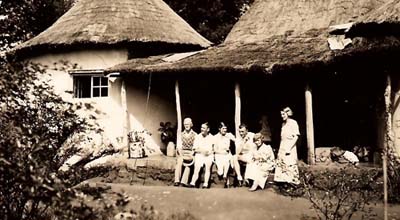
- Family gathering at Harley's farmhouse
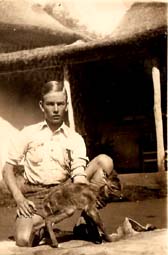 Eric, Harley's son, holding a small bush buck
 Children on Harley's Oxwagon, taking a trip to the village
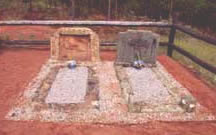 Harley and Mossea's graves
Harley and his manservant Mossea Sehwana are buried side by side in a family graveyard.
The elderly Mossea slept with Harley’s body after he drowned. His request was “I slept with your grandfather’s body, and I want to do so in death as well.”
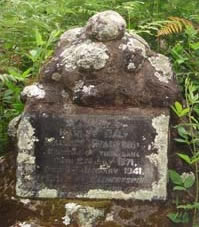 Harley's Memorial
A memorial to Harley Stanford, a short footpath away from the R71, after the bridge at the school, is surrounded by bramble. The Haenertsburg Trout Association and Friends erected it shortly after his death. It’s no longer on the family farm as this section was sold.
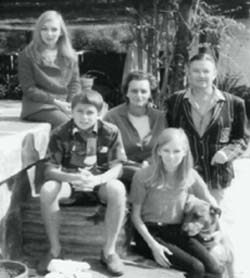 Eric with his wife and children
Eric, Harley's grandson, then moved with his wife to start a law practice in White River. The farm then became a yearly holiday destination.
A year after Eric died, his wife Andree' permanently moved to the farm. At that time, Colleen was the only child who lived on the farm as Eric's other daughter, Joan, had moved to Australia and his son Gavin lived in Cape Town.
- Colleen, Harley’s granddaughter, who still lives on the farm offers foot massages, reiki and more at her therapy room.
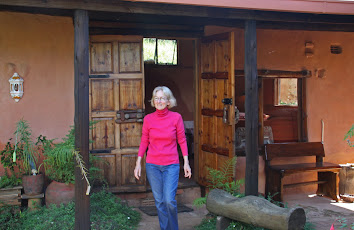 Colleen outside her therapy room
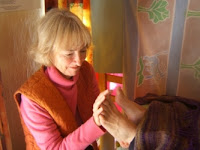 Colleen getting ready to massage feet
- Colleen's Growth Centre is a place to visit, browse through the library, sit, relax, read and have a cup of tea. A quiet sanctuary for reflection. She also takes adults and children on the bushbuck trail and porcupine spoor in the indigenous forest that Harley preserved. The sawpits in the forest are estimated at 150 years old.

- The Growth Centre
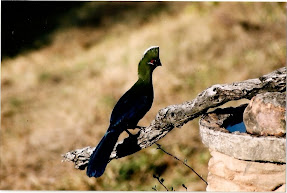 Knynsa Loerie on the bird bath
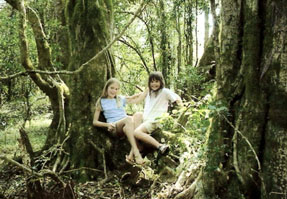 Children in the Indigenous Forest
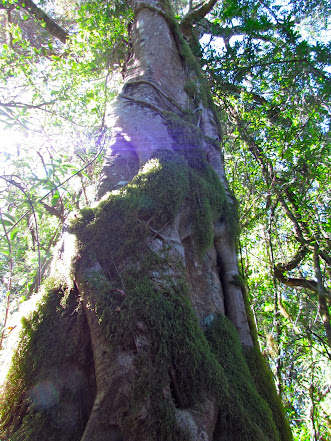 Indigenous Tree
Harley’s grandson Gavin, his wife Jady and their two children moved up to the farm from Cape Town in 2000. There were opportunities in Tourism and Gavin decided to do a course on ‘building log cabins’. He finished the course and set out to build the cabins.

The first cabin, a double storey unit, was completed in 2002.
It has three double bedrooms, two bathrooms and sleeps eight people.

Gavin then started building the second cabin, which was completed a year after the first lodge.
It is a single-storey log cabin that has three bedrooms, one bathroom and sleeps six people.